

Deliveries to European Union countries are currently suspended due to new EU regulations.
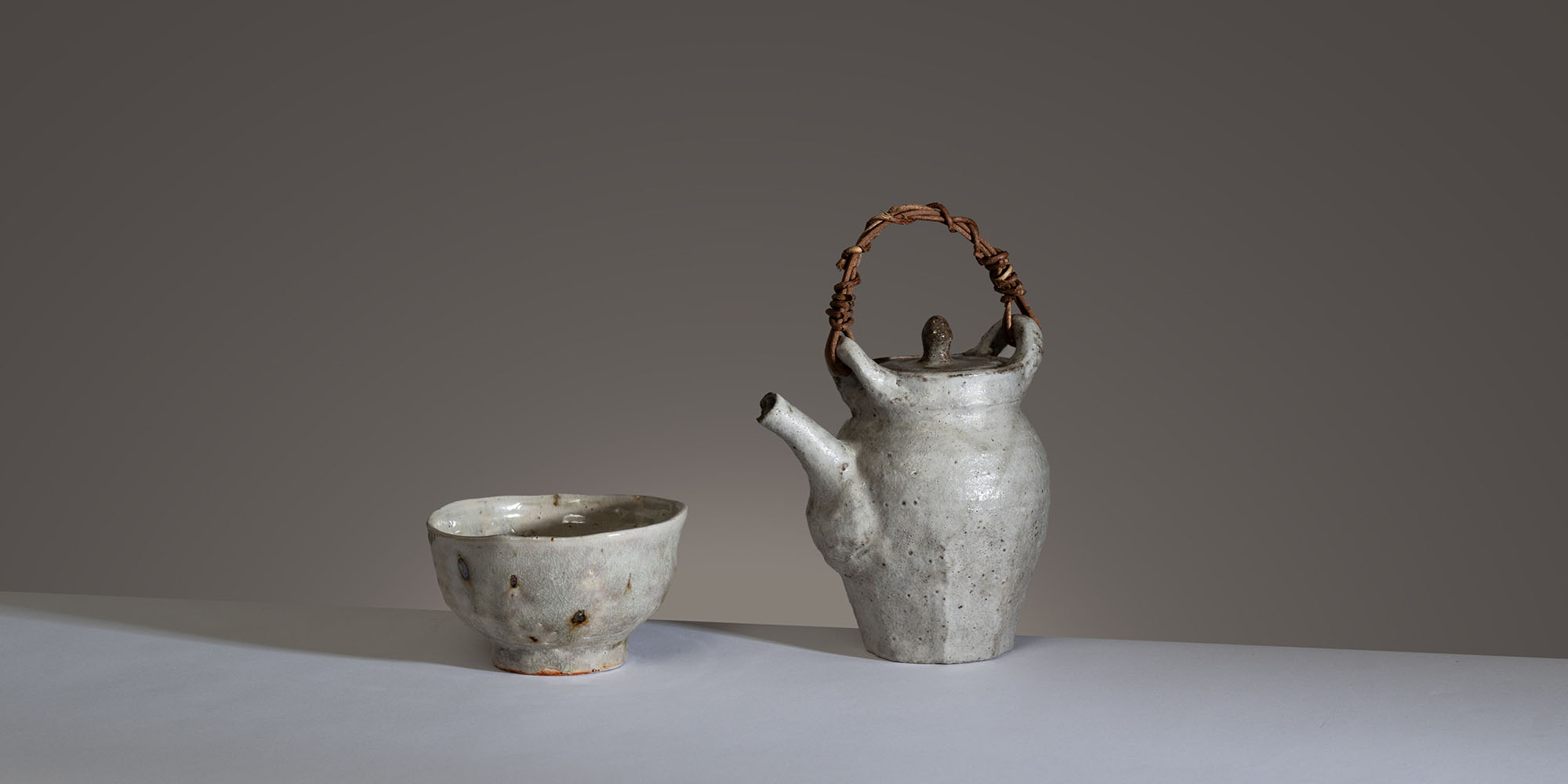
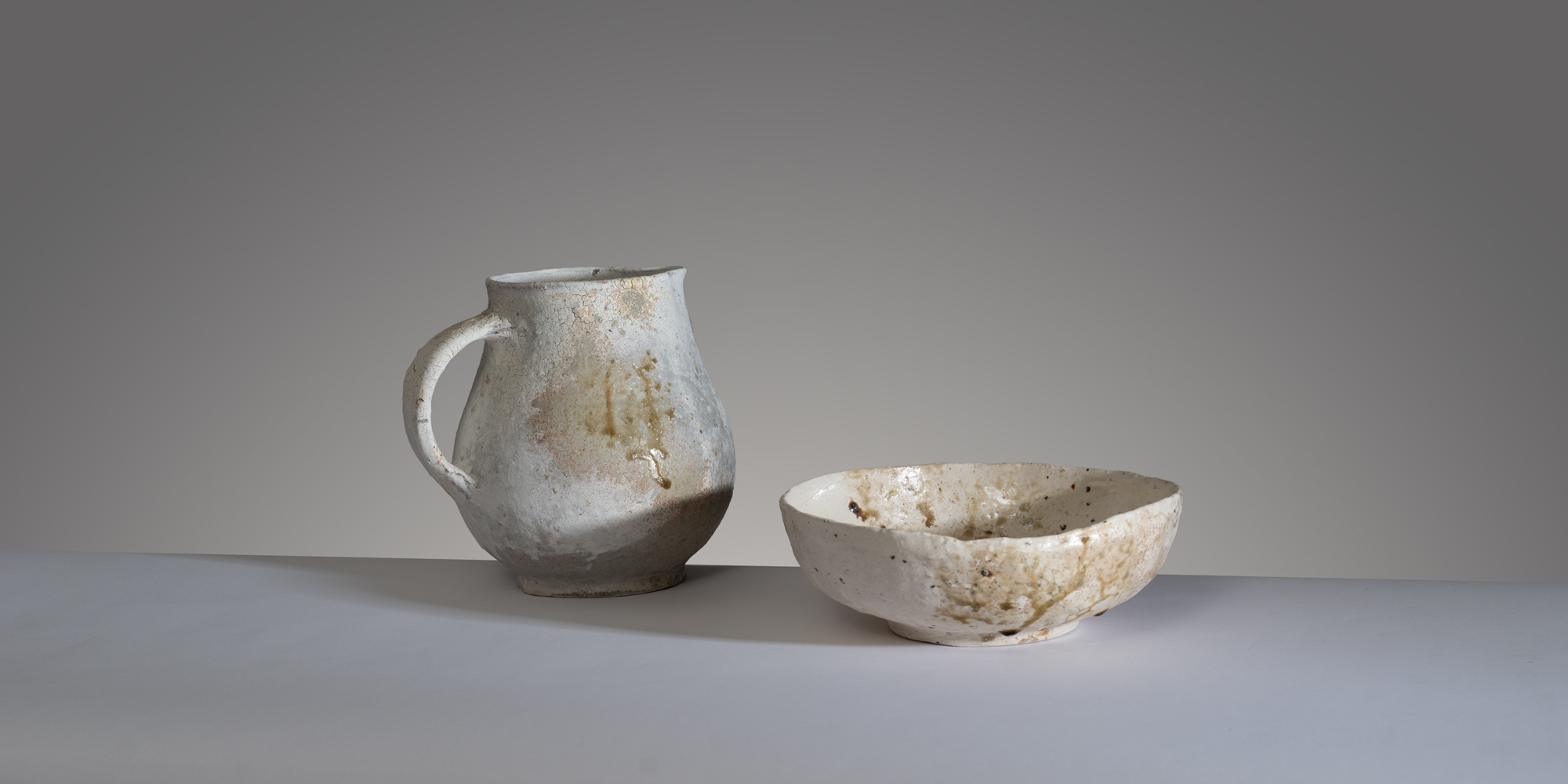
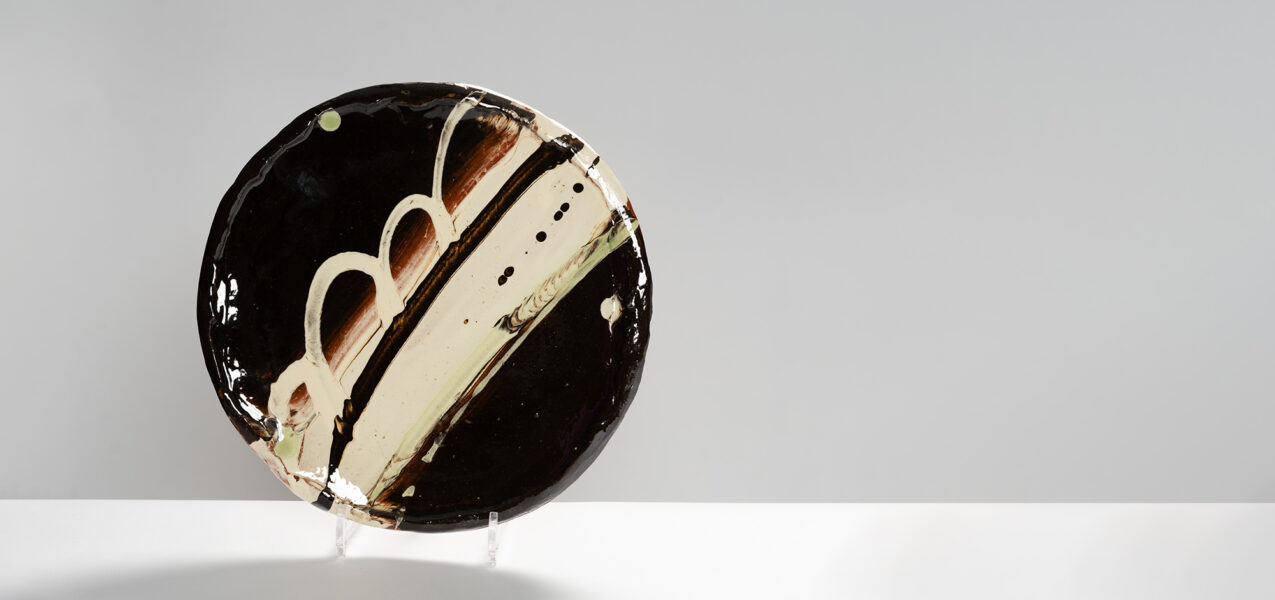
Contemporary Ceramics gallery and shop exhibits the greatest collectable names in British ceramics along with the most up and coming artists of today. Our distinguished makers are all carefully selected members of the Craft Potters Association.
All of our makers are members of the Craft Potters Association and each of them have a story to tell.

With a BA (Hons) degree in Fine Art, an MA in Communication Design, and following a career in design and academia, Amanda-Sue first came to ceramics by enrolling on a course at Morley College, London in 2012. With further short courses and by joining a communal ceramics studio Amanda-Sue continued to develop her practice, making the step change to becoming a full-time ceramics-artist in 2018. In 2020, Amanda-Sue co-founded Grove Vale Ceramics, a gallery and studio in East Dulwich, London.

Loraine's background as a map maker informs her ceramics practice. Clay provides a tangible connection to the earth’s surface, through which her work explores how maps shape our sense of place and belonging. Relief maps and domestic-scale vessels are decorated with cartographically accurate drawings. By playing with scale and volume—whether through a pocket globe that places the world in the palm of the hand, or topography with amplified relief—her work addresses specific themes, including environmental and social inequality, and monumental journeys.
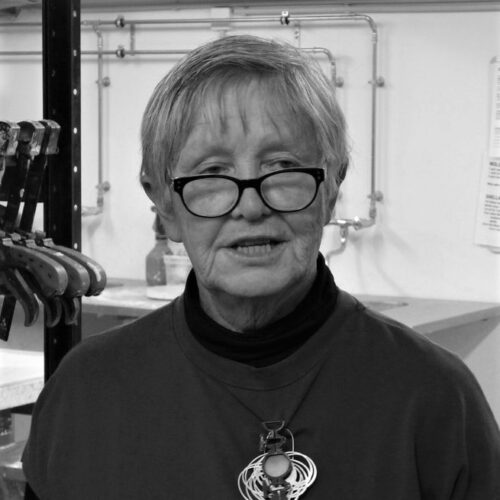
Priscilla was born in Cape Town, South Africa and attended the School of Art in Durban before setting up her own ceramic studio in England in 1968. She spent a decade in England before moving to Denmark where she has lived and worked since. Priscilla makes porcelain pinch pots with graphic surface etchings revealed in underglaze. Her monochrome pots are often wood-fired.

Peter Beard’s work has been exhibited around the world and is represented in numerous museums, public collections and private collections in the UK and overseas. The award winning artist has a contemplative approach to making and spends much of his time sketching out ideas for new pieces.

Motoko was born in 1962 in Tokyo. She graduated from Saitama University, and trained at the Takasaki College of Art. From 1993, Motoko spent six years working at the Utatsuama Craft Workshop and the Oshigahara Workshop, and then came to England in 1999.

Taja came over to UK from his native country Japan to study oil painting and settled in Devon over 40 years ago. He was inspired by so many potters in the south west, so he started making pots using his friend’s pottery workshop. He is largely self-taught. He found that slab and coil built pottery suits him the most. He started experimenting with porcelain clay about 20 years ago after being inspired by enormous blue porcelain wall tiles at a new Japanese airport especially the water-like quality of the blue glaze.